Close to 30% of residential plumbing calls start at a failed shutoff. This highlights the significance of the proper control valve. It remains as essential as the unit it supplies.
Best Place To Buy 1 2 X 3 8 Angle Stop
This article offers a useful guide to the chrome compression stop valve. It details its definition, its purpose in contemporary plumbing systems, and the perks of professional installation. DIYers and pros will locate helpful tips for different uses, ranging from bathroom sink stops to dishwasher and laundry connections.
We mention industry resources and example items, including chrome brass versions with internal seals. This helps explain how they fit with common stub-outs and supply lines. Whether you’re tackling a home repair project or buying parts from distributors such as Installation Parts Supply, comprehending the compression angle stop is vital. It ensures you choose the optimal shutoff valve for your job.
Comprehending Angle Stop Valves And Compression Connectors
Angle valves are compact shutoff devices that turn the water flow perpendicularly between a wall pipe and the supply hose. A regular 1/2 angle stop valve resides under lavatories and behind toilets. It gives a local water control valve without isolating the whole house. Residents and plumbers rely on these fittings for routine maintenance, appliance replacement, and rapid water control while fixing plumbing issues.
What an angle stop does:
- Offers a point-of-use isolation at lavatories, sinks, toilets, dishwashers, and washing machines.
- Suits restricted zones where a straight-through valve would be impractical.
- Available in typical sizes like angle valve 1/2 or smaller 1/4 options.
The sealing mechanism of compression fittings
Compression-style valves use a nut and ferrule that tighten around copper, brass, or PEX (with a support insert) to create a watertight bond. The compression fitting angle valve fits without soldering, which makes fitting faster and makes easier future valve replacement. Plumbers tighten the nut to compress the sleeve against the stub-out; the ring clamps and seals the tubing.
Reasons pros and DIYers pick compression
- No open flame or soldering makes compression friendly for renovation work and hard-to-reach spots.
- Valves like the standard angle valve are exchangeable without cutting back the supply provided the ring and nut remain serviceable.
- Compression works well with copper and PEX if combined with appropriate stiffeners or rings.
Comparing compression, sweat, and threaded joints
Compression avoids soldering and is quicker for typical service calls. Sweat connections create a lasting bond that traditionalists favor for permanent installations. Threaded setups, such as twisting a stop into an FIP drop-ear 90, provide ease of service but require careful alignment and sealing. Debates on forums often discuss hidden threaded pipes compared to soldered adapters and aesthetic issues where pipes show under the basin.
| Joint Style | Benefits | Cons |
|---|---|---|
| Compression Fitting | Fast setup, no solder, simple to swap, compatible with copper and PEX | Ring might need replacing after repeated disassembly; not always seen as permanent as sweat |
| Soldered | Durable, solid bond, preferred for long-term installs | Requires soldering, fire risk, longer downtime during installation |
| IPS Joint | Easy to service, secure mechanical connection, allows future swaps | Requires proper sealing, risks with buried nipples, can be bulky in tight spaces |
Chrome Plated Compression Angle Stop Valve
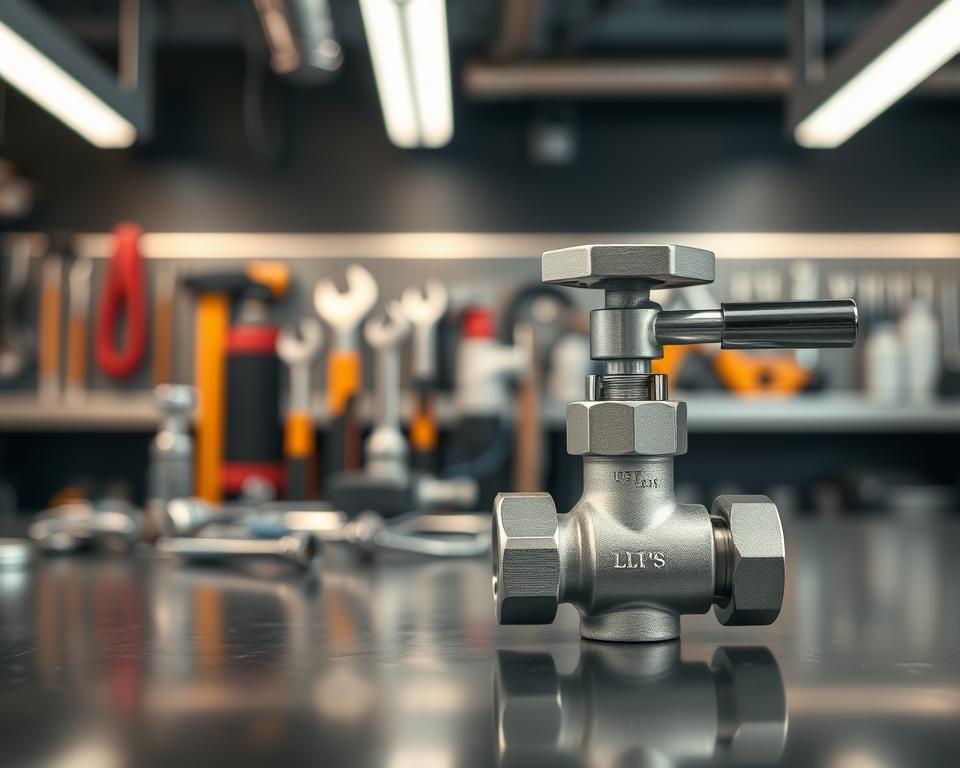
The chrome compression angle stop valve is a perfect blend of style and functionality for exposed plumbing fixtures. It is crafted to satisfy the requirements of both homeowners and plumbers, thanks to its chrome-plated brass construction. This renders it a go-to product for open shut-off points and quick repairs.
Overview Of Chrome-plated Brass Construction And Finishes
Quality stops boast solid brass construction with chrome plating. This layer coordinates with restroom accessories and ensures a sleek aesthetic that fights discoloration. Brass is chosen for its durable core material, making sure it is safe for potable systems.
Brands like Schell and Moen offer plated varieties. They also provide versions with self-sealing tech. Product descriptions specify the surface finish, measurements, and whether it features a repackable stem or a factory-fit compression nut.
Performance Highlights: Durability And Rust Resistance
Brass is famous for its anti-corrosive properties and capacity to resist metal degradation in household water conditions. The chrome plating contributes an additional protective barrier. This helps keep the look compatible with faucets and restroom fittings.
Integrated seals negate the need for extra tape during setup. High-quality internal parts and adjustable stem packing ensure a long cycle life. They provide secure closing over years of use.
Where To Install Chrome Angle Stop Valves
Chrome angle valves are great for beneath vanities, at toilet connections, and under kitchen basins. The tight right-angle turn is excellent for limited clearance. They work well for right-angle connections.
Frequent picks include the 1/2-inch compression stop or a 1/2 by 1/4 version, depending on appliance needs. Descriptions typically feature chrome finish photos, notes on integrated seals, and price tags. This aids in setting customer expectations for bathroom hardware and install components.
Common Sizes And Connection Styles For Angle Stops
When picking an angle stop, knowing dimensions is vital. Brands mark connection sizes as nominal dimensions, for example 1/2 by 1/4 stop or 1/2 by 1/2 valve. These numbers denote compatibility with different appliances and pipes.
The term 1/2 angle stop usually means a 1/2-inch input, made to attach to pipe drops. This dimension can accommodate a smaller outlet, such as a 1/4 inch outlet, for precise fixture connections. A 1/4 angle stop is regularly used for smaller flex lines or device connections.
Occasionally, a 1/2 by 1/4 valve is selected where the pipe is standard 1/2″ pipe, but the sink requires a smaller connector. For setups where inlet and outlet match in size, a 1/2 by 1/2 stop is the choice. Make sure to check the size pairing prior to purchase.
Compression-specific valves are favored for their easy connection capability. A 1/2 inch compression stop matches regular 1/2 inch pipes with the correct ferrule or insert. Lots of distributors stock a 1/2 inch compression stop, complete with a compression nut and ferrule for immediate installation.
It’s important to note some models are metric sized, such as DN 15 for a 1/2″ nominal size. Confirm the stop fits the supply pipe and flex hoses on site. Check if it has an built-in seal or if a loose ferrule is necessary to prevent problems.
Selecting The Correct Valve: Fit And Dimensions
Finding the best valve begins with accurate measuring and making sure the connection type aligns with the stub. Check the stub-out for its outside diameter on copper pipes. Look for threads and decide if the outlet ends in a threaded elbow or a plain copper stub. This simple check can avoid returns and save time on the job.
Measuring Stub-outs And Checking 1/2 Valve Fit
Gauge the copper pipe by their outside diameter. A standard 1/2 inch pipe is approximately actually 5/8″ OD (though called 1/2″ nominal). If threads are present, determine whether they are FIP or MIP. When using compression, ensure the pipe surface and protrusion allow proper engagement with the compression hardware.
Trade practices often favor drop-ear elbows or soldered adapters for extra support or reliable fit. Pair these types to the inlet spec to make sure the 1/2 inch valve installs without requiring makeshift adapters.
How To Identify 1/2 By 1/2 Compression Shutoffs
Check the package and datasheets carefully. A 1/2×1/2 valve will indicate both sides as 1/2 inch size. In contrast, a 1/2 x 1/4 angle stop will possess a smaller outlet for fixture tubing or a flexible connector.
When swapping stops for a remodel, compare the outlet size to the toilet connector. Confirm the body type matches the installation. Many plumbers stock distinct chrome compression angle stop valve inventory for visible areas and rough brass for hidden shutoffs.
Inspecting For Internal Seals And Compression Nuts
Check the product info for hardware, or integrated seals. Some types, like Schell products, feature factory-fit compression nuts or auto-seal features. These features make install easier and cut down on thread tape.
Compression-specific options often specify if the valve includes ferrules in place or a pre-attached nut. Opt for models with seals for a leak-resistant, fast setup, which is crucial in small spaces.
Installation Best Practices For Leak-resistant Angle Stop Valve
Commence by carefully prepping the stub-out. Employ a good pipe cutter to cut copper or PEX square. Ensure the end is deburred and even for even ferrule seating. Place the compression nut and ferrule on the pipe correctly before attaching the valve. Wipe the threads of drop-eared 90s or FIP adapters and verify their depth to prevent cross-threading.
To install a compression fitting angle valve, firmly press the sleeve into the valve body while tightening the nut. Hold the valve still and turn gradually. This guarantees uniform pressure of the ferrule. Adhere to torque specs, typically hand tight plus 1/4 to 1/2 turn using a wrench.
When installing a chrome valve, care for the plating. The chrome can scratch easily. Employ soft-jaw pliers or a towel to prevent damage while tightening. Tighten bit by bit and test the joint. Over-tightening can warp the sleeve or strip threads, resulting in drips.
Compression connections rarely need Teflon tape. Apply thread sealant or Teflon tape only to threaded adapters, following the manufacturer’s instructions. Valves with integrated seals or integrated O-rings may not need dope or tape at the connection point.
For a leak-resistant angle stop valve installation, pressure test the line. Look at the fitting and ferrule for seepage. If a minor leak appears, tighten a tiny bit more. If leaks continue, disassemble, check, replace damaged ferrules, and reinstall.
Experienced plumbers prefer soldered or screwed joints for long-term jobs. Industry habits sometimes use drop-ear elbows for easy valve swapping without cutting the stub-out. Pick the way that fits the accessibility and long-term serviceability.
Essential Tools For Home Plumbing With Chrome Valves
Possessing proper tools and supplies is vital to a successful DIY plumbing repair. Ensure your workspace is clear, confirm the valve model, and gather all necessary items before starting.
Essential tools
An crescent wrench and a holding wrench are vital for stabilizing the pipe while you turn the valve. A sharp tubing cutter is required for straight cuts on copper tubing, lowering leak chances. Employ a deburrer or reamer to clean the edge post-cut. A soft cloth or strap-jaw pliers will save the plating when installing. Flaring tools, though less common for comp fittings, are handy for flare fittings.
Needed supplies
Always install new sleeves and new nuts when replacing an angle stop. Have washers, O-rings, and integrated seals ready for valves needing them. Pick OEM rings for the tightest seal and seal performance.
Steps for safety
Before starting, confirm the correct branch shutoff or main water shutoff. Open the fixture and stop to empty the line from the pipe. If working near an electric heater or disposal, turn off nearby appliance power. Wear goggles and check for pressure before removing fittings.
Buying parts
Wholesale distributors like Installation Parts Supply sell bulk compression nuts, replacement rings, and chrome valves. They serve pros and DIYers handling many jobs. Ordering the correct sizes and brands in advance prevents issues and keeps the job moving.
Solving Common Angle Stop Problems
Small leaks and stuck parts are frequent during valve installs. This guide walks you through practical checks for fixing drips. It also covers dealing with wall-mounted stub-out dilemmas and ways to prevent issues with a hidden pipe in the wall.
Tracing leaks
Identify the source: inlet, outlet, or packing. A leak at the compression nut often means bad ring seating, under- or over-tightening, or a bad ring.
If you see a tiny leak, back it off, remove the valve, inspect the ferrule and tube, then reseat or replace the ferrule and nut. Remove burrs or damage on the tube before reassembly.
Valves that use integrated seals must be checked visually. If the seal is torn or moved, swap the unit. When fixing leaks, document the exact location to stop guessing.
Dealing with wall stubs
Plumbers debate threaded elbow versus sweat fittings at rough-in. A threaded elbow lets a valve thread on and be changed without cutting pipe. This approach helps a long-term maintenance plan when service access is needed.
Soldered joints produce a solid connection. They reduce the chance of seepage at the joint, but soldered connections complicate replacement. Pick solder when durability and minimal maintenance are priorities.
Problems with hidden nipples
A pipe nipple in the wall can seize or corrode behind the tile, causing a frozen valve and difficult repair. Advice from pros such as Peter Hemp emphasizes careful rough-in planning to avoid this trap.
Best practice is to use drop-ear elbows, a threaded elbow left exposed, or a solder adapter at rough-in so the connection isn’t lost in the wall. That planning reduces the need to break open walls for future swaps.
Solutions and tips
- Change rings and nuts if deformity is visible; brass rings can warp if too tight.
- Recut and deburr tubing if the end is bad; a clean end ensures ferrule engagement.
- Prefer fittings during piping that permit serviceable swaps to maintain a service-friendly setup.
| Symptom | Probable Cause | Quick Fix |
|---|---|---|
| Leak at nut | Bad seating or bad ring | Loosen nut, inspect and replace ferrule and nut, recut tube, tighten correctly |
| Packing leak | Worn packing or bad bonnet | Turn off water, tighten packing nut slightly, replace valve if packing is damaged |
| Stuck valve on buried nipple | Rust or stuck threads | Cut to fitting, use drop-eared 90 or adapter at rough-in |
| Frequent leaks after solder | Bad joint or flux residue | Clean and resolder, solder right or use threaded where serviceability matters |
Valve Quality And Certification Details
When selecting a valve, approvals are vital. NSF 61 guarantees potable water safety, while ANSI/NSF 372 ensures lead-free status. ASME and CSA standards are essential for projects subject to regional codes. Catalog descriptions specify flow rates and metric sizing, with DN 15 equivalent to a 1/2″ connection.
It’s essential to review specs to fit the job. Integrated seal models stop the need for additional tape or sealant. Internal check valves and flow controls cater to code needs. Packing design and included hardware affects both installation time and long-term sealing.
Schell’s DN 15 angle stop valve with integrated seal exemplifies how manufacturers present specs and finish. Ratings and sales charts are valuable for judging quality in plumbing fixtures. Established brands frequently have combo stops with check valves or flow controls for specific uses.
Wholesalers make buying easy for builders. Companies like Installation Parts Supply source chrome compression angle stop valves from top brands. They check certifications and warranty coverage. It is wise to check price differences, check stock, and confirm certifications match project requirements before ordering in bulk.
Use a short comparison checklist when evaluating valve options:
- Certs: NSF 61/372, ASME, CSA where applicable.
- Specs: integrated seals, check valves, flow limiters, packing gland design.
- Sizing: DN sizing, inlet/outlet types, included ferrules and nuts.
- Sourcing: stock, warranty, supplier trust.
Keep records of cert numbers and batch details when purchasing. This documentation helps with inspections and future maintenance. Retail listings and supplier books often give spec sheets for every valve, aiding in matching products to job requirements.
Valve Maintenance And Replacement Indicators
Routine care is key to keeping valves in top condition and extending their lifespan. A simple inspection every six months can catch minor issues before they escalate. It is smart to note resistance, minor drips, or corrosion to monitor condition.
Replacement signs
Leaks around the compression nut or constant drips from the valve stem show it’s time for a replacement. Corrosion or pitting of the chrome finish weakens the metal, causing failure. If a 1/2″ valve or 1/4″ stop won’t turn or sticks, it indicates that it needs to be replaced.
Maintenance advice
Regularly exercising valves by turning on and off slightly stops sticking. Cleaning aerators and supply lines regularly cuts down debris and scale. In areas with hard water, consider adding a point-of-use softener or installing a sediment filter to reduce buildup that kills valves.
Ferrule care
Ferrules deform when tightened and must be swapped if you open the joint. Reusing old ferrules causes leaks at the joint. Always install new compression ferrules and nuts when fixing to guarantee a seal.
When to upgrade valve types
Constant leaks, repeated service calls, or complicated installations are valid reasons to consider upgrading. Look into sealed valves, combo valves with built-in check valves, or switching from buried threaded nipples to sweat adapters for easier future service. Changes can boost life and reduce downtime for both homeowners and plumbers.
How long they last
High-quality stops can last decades under normal conditions. The actual lifespan depends on water purity, usage frequency, and installation quality. Spotting issues of failure signs and routine checks can optimize life of a 1/2 valve or 1/4 valve, stopping surprise leaks.
Budgeting And Purchasing Guide For Valves
Choosing the right valve is a balance of cost, needs, and value. Homeowners and contractors weigh many things. These include the base metal, finish quality, and whether the part includes integrated seals or check valves. A pricier 1/2 inch valve, of solid brass heavily plated, will outlast pot metal in visible bathroom installations.
Buying retail are good for small repairs where only one unit is needed. Pros, however, often prefer distributors for their bulk rates and stock. Installation Parts Supply provides a wider selection of certified models and better warranties. This lowers the project cost when purchasing many 1/2 compression angle stop pieces.
Cost planning should consider more than just the valve’s price. Include the cost of hardware, possible adapter fittings, and basic tools for replacements. For bathroom hardware projects seen by users, coordinate the look and style to the taps to protect perceived value. For hidden valves, focus on function and dependability over cosmetic appeal.
When comparing retail versus wholesale, check warranty terms, return policies, and certification documentation. Wholesale channels can save money per part, though some stores offer lifetime warranties that offset the higher initial price. Consider the labor time saved using better valves when budgeting.
Follow this list when choosing valves and parts:
- Material and plating quality for long life and looks.
- Integrated seals or checks to simplify install.
- Fit with pipes or fittings to avoid rework.
- Vendor trust and guarantee, especially from suppliers like Installation Parts Supply.
In short, balance immediate cost vs long-term value. Investing a bit more in a well-made 1/2 x 1/2 angle stop valve or a robust 1/2 compression angle stop can lower maintenance calls and better the outcome on plumbing projects.
Conclusion
Picking the correct valve involves several key steps. Firstly, ensure the sizes match your needs. Understanding how compression joints work is key. Lastly, use good install methods to guarantee a durable, leak-free stop.
If doing a DIY plumbing project or a professional installation, certain steps are critical. Always replace ferrules when servicing. For easier installations, consider valves with integrated seals. Torque it right and sealing method to ensure a reliable fit.
Proper tools and attention to detail are crucial for a good install. This method minimizes the risk of leaks later on. When purchasing, turn to trusted distributors like Installation Parts Supply. They offer quality valves and sealed units, like Schell valves, which meet potable water standards.
With the right parts, measurements, and skill, pros and DIYers alike can achieve durable, attractive, and long-lasting installations. This guarantees years of reliable service from your chrome compression angle stop valve.
Related: How A 1/2 To 1/4 Tee Brass Forged Fitting Helps With Multi-Line Installs